
Activities
2025 report progress
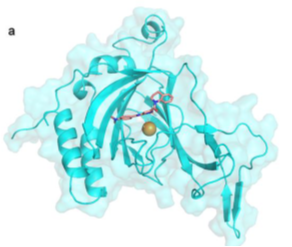
A large-scale virtual screening campaign designed to identify innovative molecular candidates capable of modulating fruit ripening through targeted interference with the plant oxygen-sensing pathway have been successfully performed. A comprehensive in silico screening was conducted on more than 2 million compounds. As an outcome of this multi-stage screening and filtering workflow, a refined list of 200 putative hit compounds was identified and delivered. These compounds constitute a high-value resource for downstream experimental validation and hit-to-lead optimization, supporting the transition from early-stage computational discovery toward experimental validation and further lead development activities.
A set of screening methods using transgenic Arabidopsis lines to identify molecules that influence the perception of hypoxia, a key factor in fruit ripening and storage, have been developed. The screening methods using transgenic Arabidopsis lines offer a versatile platform for high-throughput screening and provides valuable insights into the molecular regulation of hypoxia response, which could be applied to enhance fruit shelf life and quality during storage.
Role of apocarotenoids as small-molecule regulators and potential intermediates in physiological processes relevant to tomato biology have been investigated using metabolomic approach.
In order to investigate the physiological significance of prolyl 4 hydroxylases in fruit ripening regulation and low oxygen response in the context of the extension of postharvest life under Modified Atmosphere Packaging, genetic resources altered in expression of these genes have been generated.
Academic and non-academic partners worked together to determine practical problems for which bioactive molecules could be a solution. In addition, a plan for testing different bioactive molecules in industrial scale test have been designed.
From an innovation and sustainability perspective, these results provide a foundation for the development of novel, non-invasive strategies to control fruit ripening without compromising essential quality traits such as texture, aroma, and flavour. By enabling more precise modulation of ripening processes, the identified compounds have the potential to contribute to reduced post-harvest losses, extended shelf life, and decreased food waste, aligning closely with EU Green Deal objectives and sustainable agri-food systems.
